




The Direct-To-Consumer Strategy
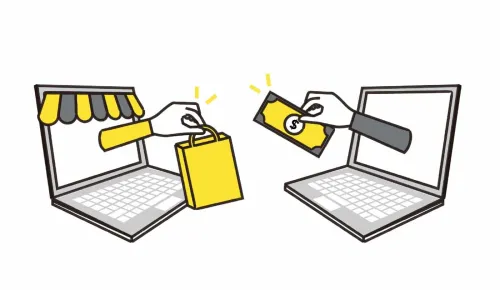
It’s a well-known fact that information is power. The more we know about something, someone or the context, the better we’ll handle our decisions. Marketing and commerce have decided to go for the direct conquest of clients through strategies that make it easier for them to know their targets, their preferences and needs, their way of life and the expectations they have when they’re buying something.
In the past few months, especially after the pandemic-driven confinements, brands have started to change their course towards direct sales strategies that allow them to have greater control over the ecosystem and to offer more refined customer experiences. This is known as Direct to Consumer — or DTC.
1. DTC: So Long to the Middleman
This booming model cuts out the middleman. With DTC, brands commercialise their own products or services directly with their clients. This can be done through their own website or through exclusive points of sale, both online or on-site. In any case, companies are letting go of traditional marketplaces and retailers.
DTC has been boosted by the growth of social networks as sales channels and the new marketing trends that suggest a greater control of the information. It has grown exponentially among small and medium sized companies but also among the big ones. Nike, for example, in 2017, decided to lose channels and intermediaries and prioritise direct sales in their website. In 2020, their sales through DTC increased by 80%.
2. DTC Advantages
-Costs: Direct sales reduce inventory and distributor costs since it minimises retail points and it concentrates the activity to one distribution centre from which deliveries are made.
-Close Relationship and Trust: DTC focuses on developing a close relationship with clients. Consumers know who’s on the other side of the chain and trust isn’t lost in the tangled mess of the sales process.
-Easy and Agile: New e-commerce users place a special value on agility and efficiency. Direct sales seeks to meet their needs with an agile and direct treatment.
-Data Control: Direct sales allow brands to control the data and extract knowledge and information from their buyers in an increasingly segmented and efficient way. This will result in the improvement of the experience and in the buyers’ satisfaction and affinity towards the brand.
3. How to Make Direct Sales More Agile
-Investment: In order to adapt to DTC and reduce third party dependence or marketplace distribution it’s necessary to invest in digitalisation, sales channels and marketing strategies.
-Analytics: Training your team in data management will be extremely useful for working in a DTC context in which the knowledge of user movements and interest are of vital importance.
-Evaluation: First of all, you must think about which type of strategy you need and why — evaluating products and services we’re interested in developing, defining the audience we want to reach and the right channels to do so.
4. Towards a Hybrid Model
DTC is not something completely new; neither is traditional retail dead. Commerce moves fast riding the tech wave and companies are looking for that gap to optimise their sales and increase their influence among clients. For many brands, the solution is to balance both worlds. For example, implementing direct sales strategies for some of their products without completely disappearing from major physical stores or e-markets.
Marketing experts think that DTC can help democratise commerce and offer new opportunities for small brands after some years in which —mostly due to the pandemic— big companies like Amazon have grown tremendously. But, besides boosting “your local shop” (so to speak), it’s expected that big established brands will also go for this direct treatment. Many already do so, especially in the fashion and beauty industry, where they are competing with new brands that have grown fast in DTC.
DTC strategies cut out the middleman in search for a more direct, agile and efficient relationship with clients, which will in turn result in better experiences.
Article written in collaboration with Jaime Palacios, Head of Customer Service LATAM de Sinch; Andrés Bayona, President of the Mexican Association of NGV, CNG, LNG and Biogas (AMGNV); and Pilar Castellanos, Regional Sales Manager at Infobip.