




EAE Women: 12 steps to achieve real and effective equality
In 1975, the United Nations (UN) declared March 8th as the International Women’s Day. Two years later, the then Secretary General, Kurt Waldheim, invited the member states to proclaim that day as the Women's Rights and World Peace Day. The UN was finally formalising all the protests and activities that had been taking place over different parts of the globe since 1909, when 20.000 women workers of the textile industry took the streets of New York to protest against their working conditions.
These women were working up to 75 hours per week for only four dollars per day — that’s four times less than men were making. They had to buy their own needles and threads and, if one of their machines would stop working, the money to get it fixed would come out from their own pockets. They had to ask permission to go to the toilet and they were locked up while working so as to avoid any act of theft. This last practise was banned in 1911 after a fire took place in another New York factory where, out 146 workers, 123 were women.
Many things have changed since those women began the so-called Shirtwaist Strikes — which historians pinpoint as the origin to the International Women’s Day. Today, we continue the journey towards a future where equal opportunities will become an unchangeable reality.
In 2019, during Georgieva’s presidency, the World Bank published Women, Business and the Law: A Decade of Reform, a study that analyses the different landmarks on a woman’s work life —from her first job, until she retires— as well as the legal protections that exist on each of the stages. Data was collected over a period of 10 years and 187 countries received a score based on eight indicators.
Currently, six countries —Belgium, Denmark, France, Latvia, Luxembourg and Sweden— got a perfect 100-points score, which means that they recognise the same legal rights for women and men in the examined areas.
Gender equality concerns all of us. That’s why we must contribute, work and put in the effort to build a future that’s more equal and sustainable. EAE Women Initiative is born with that goal in mind. EAE WI is an ecosystem of learning, knowledge and education that is born out of the EAE community and whose goal is to boost the continuous professional development of women in order to generate a positive impact in the world.
EAE WI is an ecosystem of learning, knowledge and education that is born out of the EAE community and whose goal is to boost the continuous professional development of women in order to generate a positive impact in the world. EAE Women Initiative in order to discuss and learn about gender matters in the business world. Through their opinion, insights and participation we have extracted 12 concrete steps that should be adopted both in private and public companies in order to guarantee a more equal and sustainable labour situation. From the most immediate ones to the ones that will help us cut off inequality at the root, find out more about these 12 steps and the 12 women behind them.
12 steps to move towards real and effective equality
Closing the Gender Pay Gap
Putting more women in leadership positions
Establishing quotas that must be reached in order to achieve a real parity in companies and institutions
Developing and implementing professional promotion plans for women in companies and institutions
Creating reinsertion policies for women after maternity leave
Creating Women Representation Committees and Equality Policies Monitoring Committees
Investing in workshops to generate awareness on gender inequality
Implementing measures that foster cultural change inside companies and institutions
Educating the directing teams and HR managers in pro-conciliation leadership
Foster flexibility and conciliation measures in the work environment
From the start of primary education: Educating to avoid gender bias in the academic environment
From the start of primary education: Developing emotional intelligence and the abilities that improve the management of differences and foster equal opportunities
Ileana Alberto - Head of Corporate Relations, EAE Business School
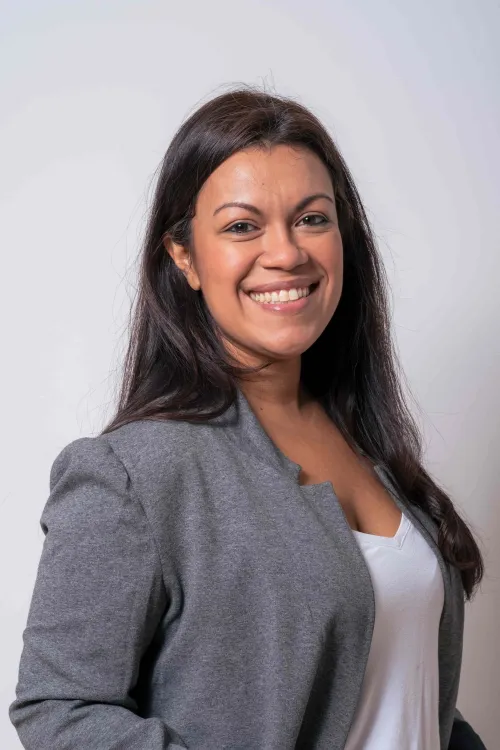
“On the one hand, public administration offices must work to guarantee and monitor the fulfilment of wage equality in same level positions no matter the gender. And, on the other hand, there must be equality regarding opportunities and access to job positions on every level”.
Vanessa Alós Martín - Head of the Admissions Department, EAE Business School
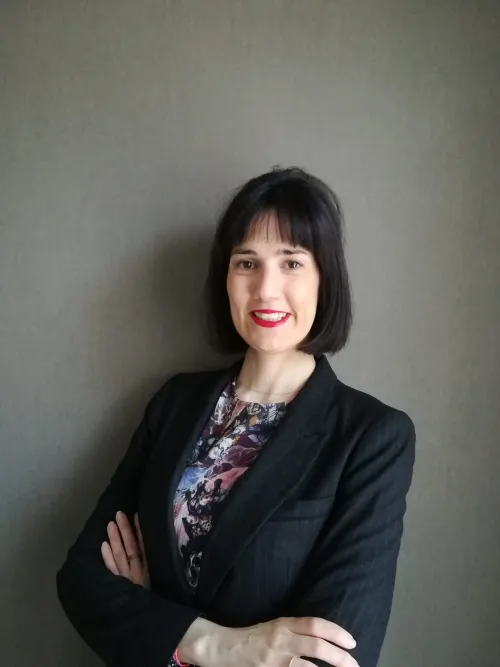
“In order to achieve equality in the world of work —both quantitatively and qualitatively— I think it would be interesting to implement, as a rule, having the same percentage of men and women in every company, organism and institution, whether it’s in operations, middle-management, management or directors”
Federica Assandria, Head of Professional Careers, EAE Business School
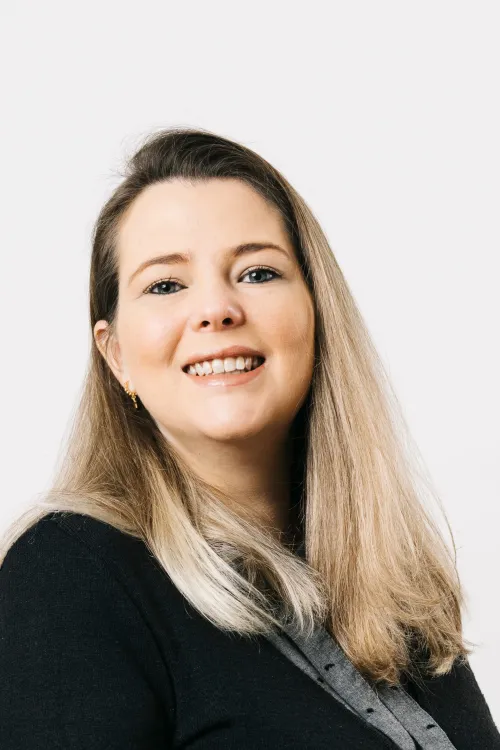
“We tend to think that technical careers are more related to the male gender but, in reality, the labour market more often demands scientific profiles that perfectly adjust to a woman’s profile — not only based on academic quality but also on the associated roles’ performance”
Inés Azpúrua, Head of Content & Product Manager, EAE Business School
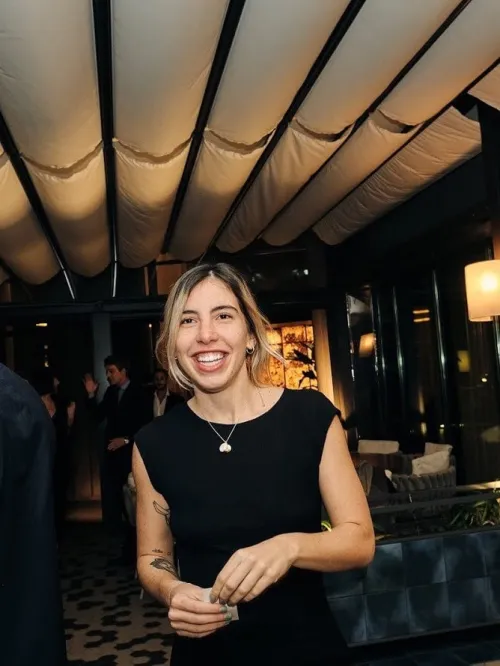
“We must go through the salaries and adjust them in order to close the gap — it’s a relatively easy decision. Also, we need more women in leadership positions, promoting and hiring. And, finally, we must invest in workshops that focus on raising awareness on gender inequality. The lack of knowledge is big and education is crucial if we want to bring change to this culture that sustains inequality”
Aroa Corvillo - Head of Marketing & Communication, EAE Business School
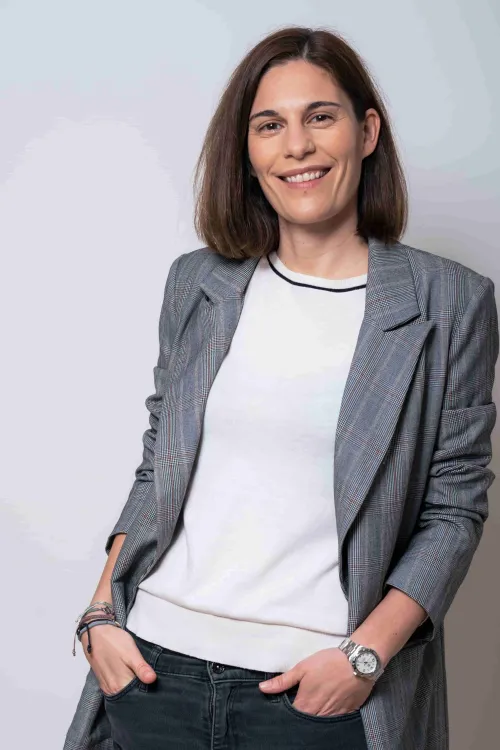
“Promoting plans and initiatives that reinforce the required skills and support the talent of the women that, at some point of their career, quit or think about giving up their intentions to move towards positions with more responsibilities”
Cristina Encinas - Head of Admissions, EAE Business School
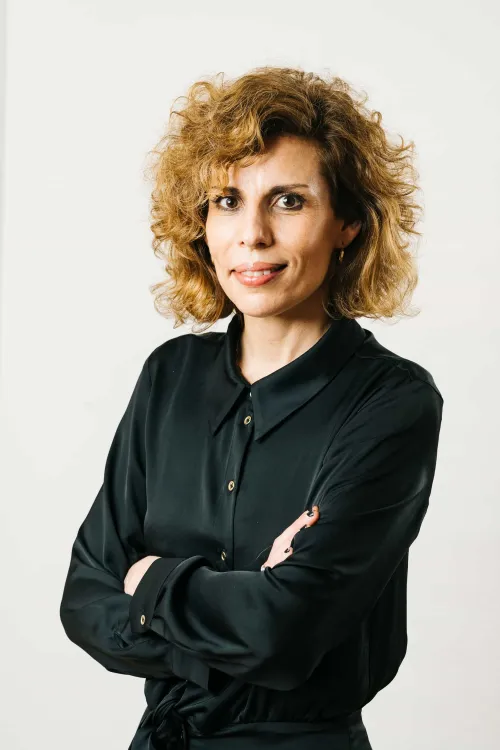
“The Parity Law must be enforced. Even if such a law exists in our country and even when the Constitutional Court of Spain confirmed that there’s no discrimination against women, but a balance between genders, women still have to justify our thoughts and our claim: a working and social setting where men and women perform the same roles and have the same opportunities in sustainable and honest environments. If we want to see that “equality” come true, it’s crucial and necessary to continue to foster this change together, men and women”
Olga Gutiérrez Carral, Co-Founder at Iura, Former EAE Student
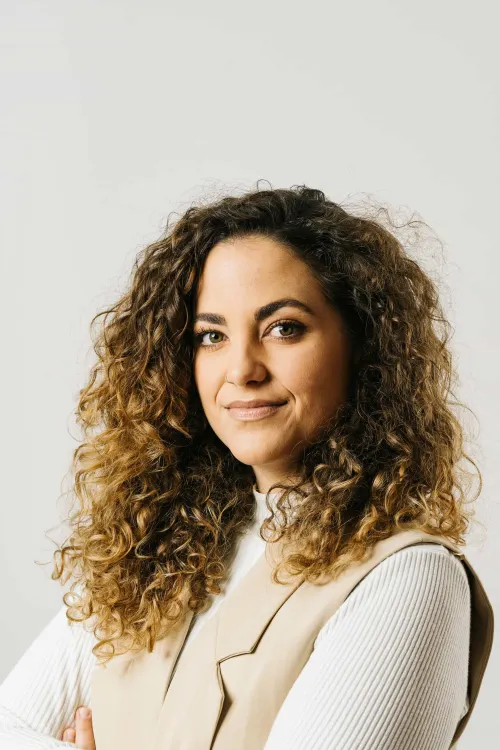
“Public administration offices must impregnate the mandatory education with workshops, talks and events that stimulate the new generations of women. From an early age, it’s hard to express what we’re good at or what we can do better than others in a given subject. It’s crucial to work on self-esteem and on communication skills”
Angela Malvone - Founder & CEO, SKiLLD, Former EAE Student
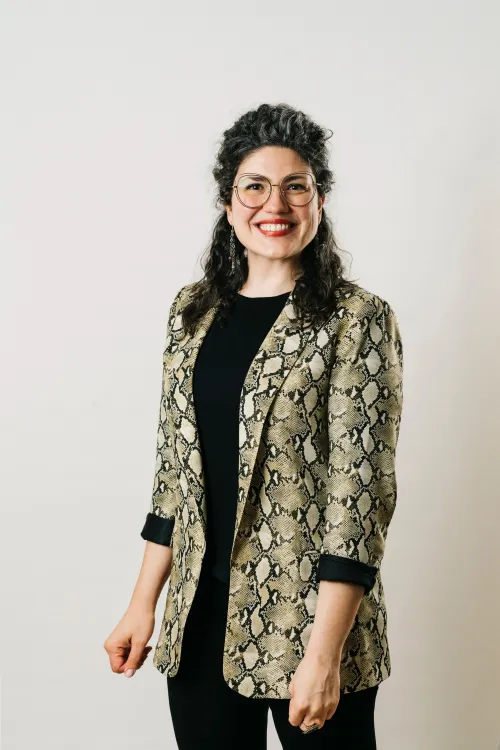
“It’s all about implementing a cultural change and favouring a change in mentality where women won’t accept certain prejudices or social roles that are assigned to them. In order to achieve gender equality, we must cultivate a change of attitude”
Francesca Ricaldi - Director of the Bachelor Degree on Marketing & Digital Communication, EAE Business School
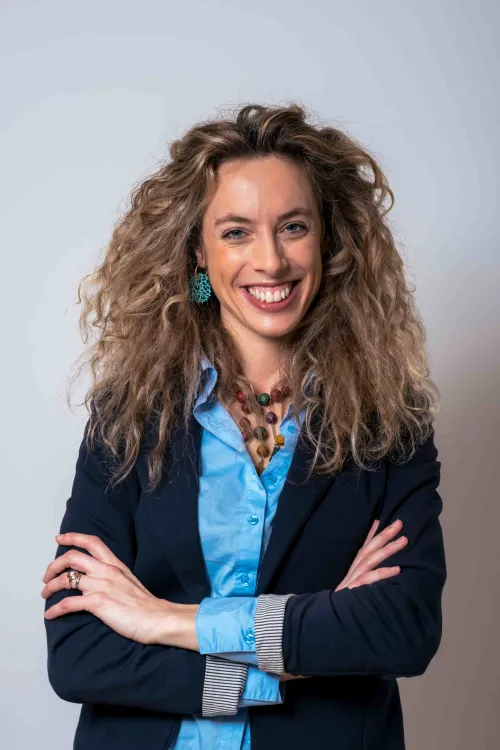
““Both companies and public administration offices must implement internal projects for education and sensitivity development oriented towards gender equality and the involvement of women in the work environment. We need to raise more awareness, both in men and women, about the still existent discrimination —particularly in the work environment— that we have internalised and normalised”
Tarcila Sugiyama - Co-Founder at Iura, Former EAE Student
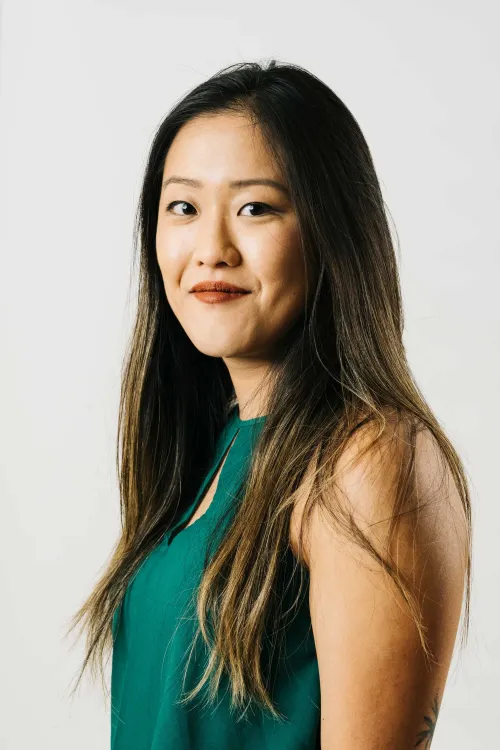
“The data is just a reflection of an education that teaches different roles to men and women. While boys are taught to be brave leaders, girls are taught that they must be kind caretakers. This has a direct impact on the professional careers we chose. Leadership positions, that require assertiveness, are often incompatible with the delicate nature that women are expected to have. These stereotypes follow us for so long that it’s hard to see what’s wrong. That’s why companies and governments must devote all their efforts to correcting this mistaken idea”
Cristina Tomàs - Associate Dean for Strategic Planning, EAE Business School
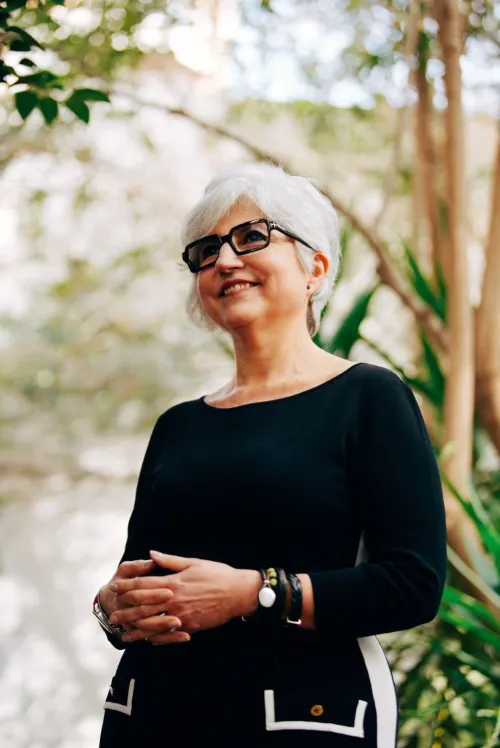
“The EU has set the independent goal on gender equality for the 2030 Agenda on Sustainable Development. That main goal is to eliminate the gender pay gap. The sub-goals are linked to the erradication of violence against women, the recognition of unpaid care and domestic labour, the universal access to sexual and reproductive health and the reproductive rights of women. I believe that companies and, most of all, governments must focus on achieving these goals”
Irene Vilà Trepat - Postgraduate Vice Dean, EAE Business School
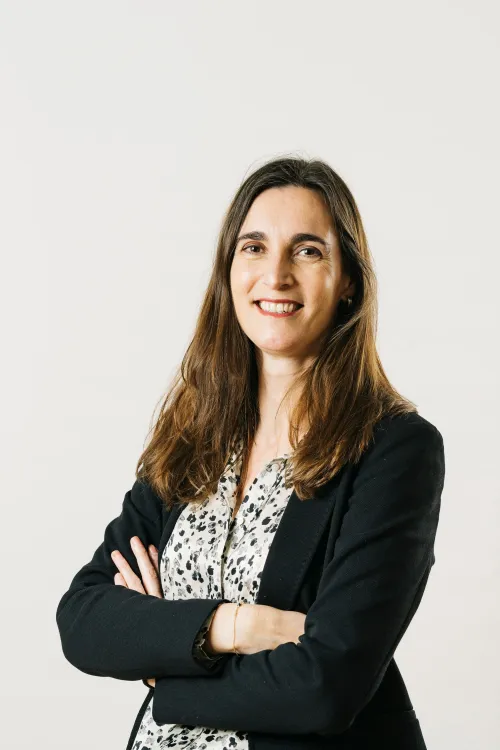
“Facilitate conciliation. Promote flexibility measures in the work environment to make it easier to adjust work to the personal circumstances of women. This would allow many women to better combine their personal life and family with their professional career without having to jeopardise one or the other” .
We are facing a challenge that involves all of us as a society and in which every single person that is part of it has an important role to play. It’s a challenge that requires real commitment from all of us and that starts with recognising that —like Kristalina Georgieva, Chief Executive of the World Bank, once said— “if women had equal opportunities to develop their full potential, the world wouldn’t just be a more fair place, but it would positively thrive”
